
Call us today!
+(92) 51 111-111-028
We are open!
Mon-Fri 8:30-04:30
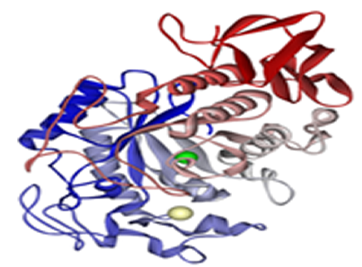
Enzymatic analyses of saliva during physical exercise of different intensity
Saliva secretion is controlled by the autonomic nervous system, with sympathetic activation resulting in the secretion of protein rich saliva whereas parasympathetic activation results in the secretion of mucins and water. Saliva composition depends on the relative contribution of the different salivary glands. Therefore, secretion and composition of whole saliva show large inter- and intra-individual variations. Physical exercise is a strong activator of the sympathetic nervous system, which may affect saliva composition. Especially above the anaerobic threshold, the exercise intensity above which the blood lactate concentration increases exponentially, the concentrations of a number of salivary constituents, including electrolytes, catecholamine, lactate, lysozyme, amylase,lactoferrin, LL-37, defensin HNP1-3 and chromogranin A increase. During exercise the viscosity of saliva also increases. In this study we will analyze the effects of physical exercise, as a sympathetic stimulus, on salivary flow rate and its effects of the rate of secretion of MUC5B, amylase, albumin, lysozyme and total protein concentration present in saliva.